

The rapid expansion of data centers makes industrial refrigeration essential to ensure operational continuity, energy efficiency and long‑term sustainability. Regulatory changes and increasing computing density are driving the shift toward low‑impact cooling solutions. In this context, ammonia stands out as the most efficient and reliable natural refrigerant for modern digital infrastructures.
The growth of data centers and the new challenge of industrial refrigeration
Data centers have become the critical infrastructure on which the digital economy is built. Every cloud service, streaming platform, AI‑based application or financial system depends on servers operating without interruption. This continuous processing capacity, however, comes with an inevitable consequence: the generation of large amounts of heat.
Managing this heat is essential to ensure reliability, operational continuity and the lifespan of the equipment. In this context, industrial refrigeration is no longer just a support system, but a central element in the design and overall efficiency of data centers.
With increasing computing density and the spread of energy‑intensive technologies such as artificial intelligence, data center cooling has become one of the sector’s main technological and energy challenges.
How data center cooling works: from room conditioning to industrial chillers
Data center cooling relies on an integrated system that operates on multiple levels, starting directly from the environment where the servers are installed.
The first level is the conditioning of the server rooms, known as data halls. Here, specific units such as CRAC (Computer Room Air Conditioner) and CRAH (Computer Room Air Handler) operate to cool and circulate air continuously and in a controlled manner. Cold air is distributed between the racks, absorbs the heat generated by the servers, and is then drawn back into the conditioning units to be cooled and reintroduced into the cycle.
Airflow management is a fundamental aspect. Many data centers use hot‑aisle and cold‑aisle configurations, which separate hot air from cold air and improve the overall efficiency of the system. This approach reduces energy consumption and ensures more uniform temperatures throughout the room.
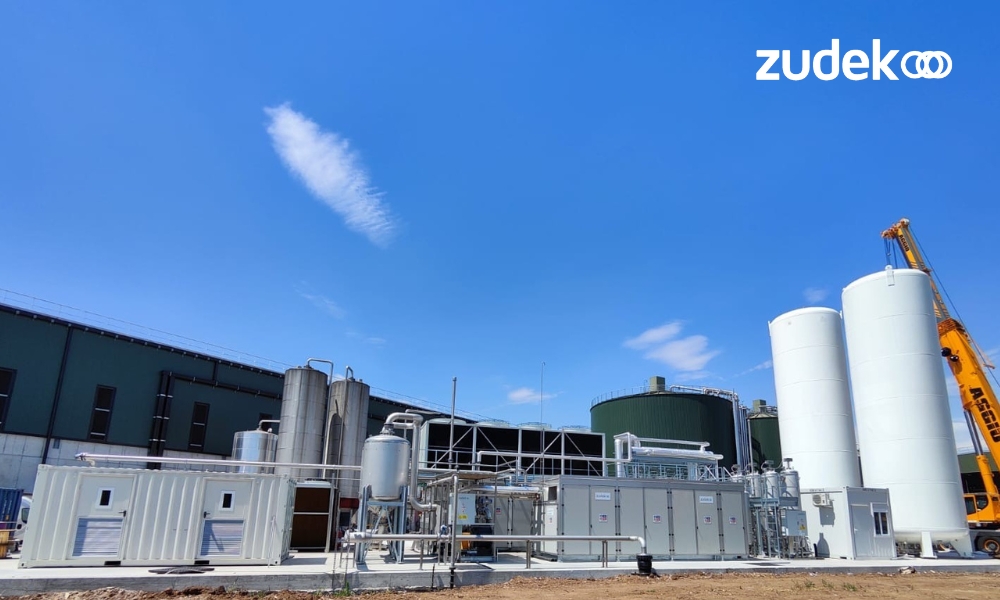
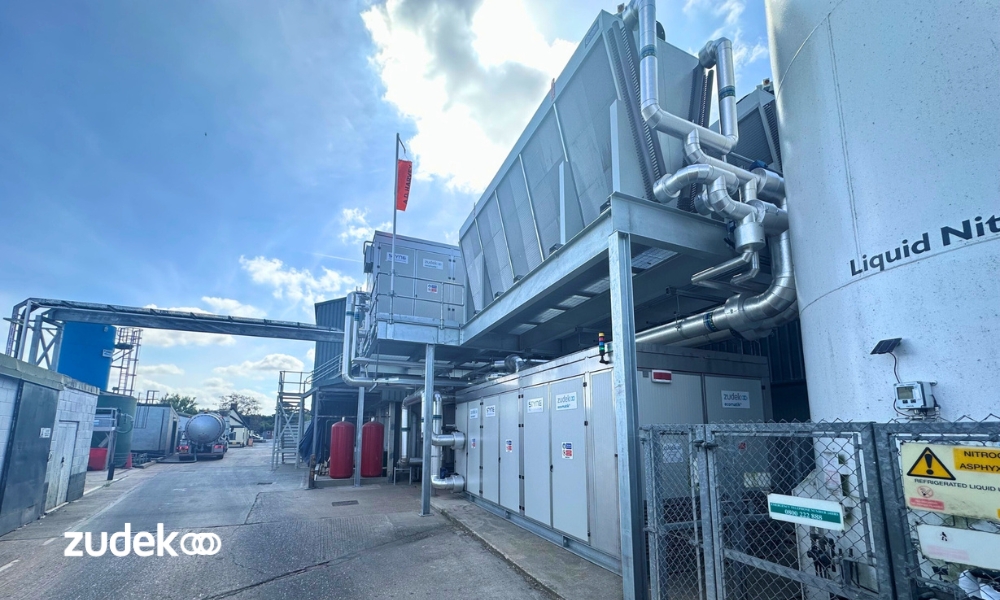
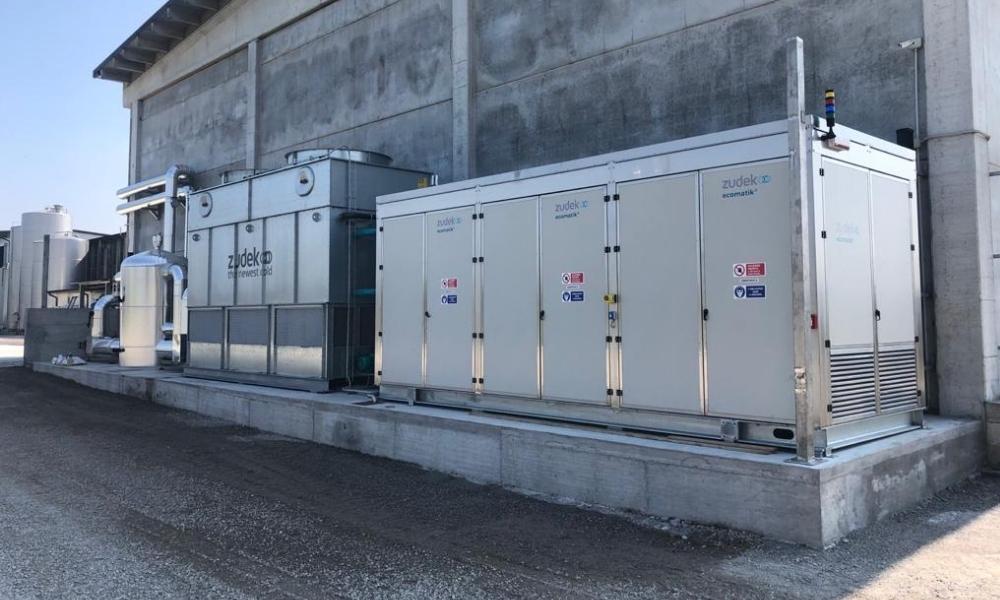
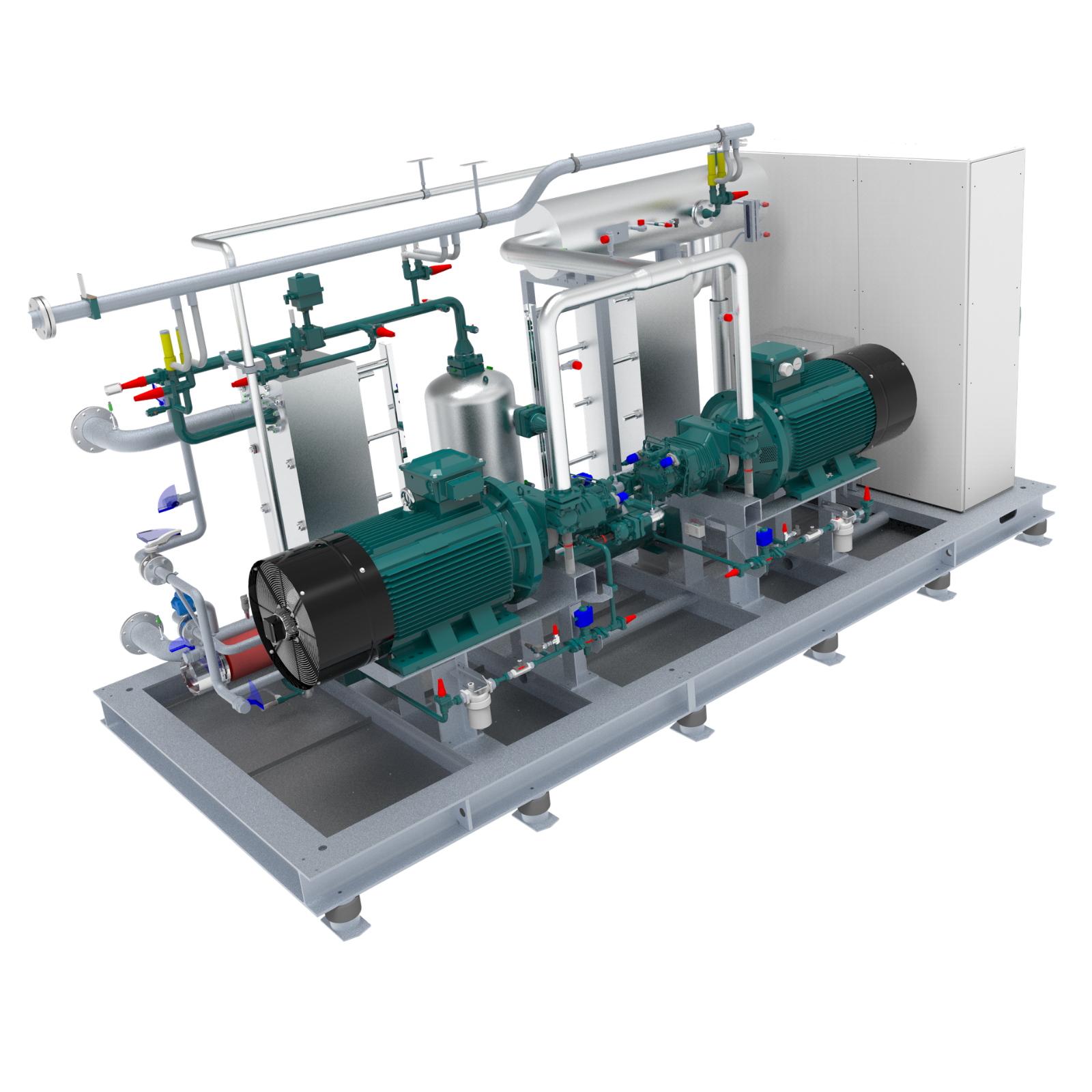
The second level is the centralized industrial refrigeration system, which represents the heart of the process. The internal conditioning units are connected to a chilled‑water or water‑glycol circuit that transports heat to an industrial chiller. The chiller uses a refrigeration cycle to remove heat from the fluid and transfer it outside.
Many systems also integrate free cooling, which uses low outdoor temperatures to cool the fluid without activating the full refrigeration cycle. This significantly reduces energy consumption and improves overall system efficiency.
In next‑generation data centers, direct‑to‑chip or liquid cooling solutions are also becoming more common, allowing heat to be removed even closer to the source and further increasing system efficiency.
Energy efficiency and regulations: a transformation underway
Energy efficiency is now one of the main performance indicators of a data center. Cooling represents one of the most significant contributors to total energy consumption. Improving the efficiency of the cooling system means reducing operating costs and environmental impact.
At the same time, the regulatory landscape is accelerating the transition toward more sustainable solutions. The European F‑Gas Regulation foresees a progressive reduction in the use of synthetic refrigerants with high global warming potential (GWP), while attention is increasing toward PFAS substances, which are increasingly subject to restrictions.
This scenario is pushing the sector toward natural refrigerants, which are already compliant with current and future regulations.
Ammonia: a natural solution for industrial refrigeration in data centers
Among natural refrigerants, ammonia is one of the most efficient and reliable solutions currently available. Used for over a century in industrial refrigeration, it offers excellent thermodynamic properties that enable high levels of energy efficiency.
One of the main advantages of ammonia is its zero environmental impact. It does not contribute to the greenhouse effect and is not subject to the regulatory restrictions that are progressively affecting synthetic refrigerants. This makes it a safe and sustainable long‑term choice.
From an operational perspective, ammonia enables the creation of highly efficient centralized systems, particularly suitable for large‑scale applications such as data centers. Its high heat‑transfer capacity reduces energy consumption and improves overall system performance.
These characteristics make ammonia an ideal solution for data center cooling, where reliability, efficiency and sustainability are essential requirements.
The future of data center cooling is already available
With the continuous expansion of digital infrastructure, the demand for efficient and sustainable industrial refrigeration systems is set to grow rapidly. Choosing the right cooling technology therefore becomes a strategic decision, with direct implications for operating costs, sustainability and regulatory compliance.
In this context, ammonia represents a mature, efficient and future‑ready solution. Its combination of high performance, reliability and environmental sustainability makes it particularly suitable for the needs of modern data centers.
At Zudek, we specialize in the development of industrial refrigeration systems based exclusively on ammonia, supporting this evolution with solutions designed to ensure efficiency, operational continuity and long‑term sustainability.
In a sector where reliability is essential and energy efficiency is increasingly decisive, ammonia‑based data center refrigeration is a concrete choice, already ready to meet the challenges of next‑generation digital infrastructure.

Zudek is a constantly evolving company, specialized in the design and creation of cutting-edge systems. Through research and innovation, it provides environmentally friendly and highly energy-efficient solutions.